Facebook
 X
X
 Pinterest
 Copy Link
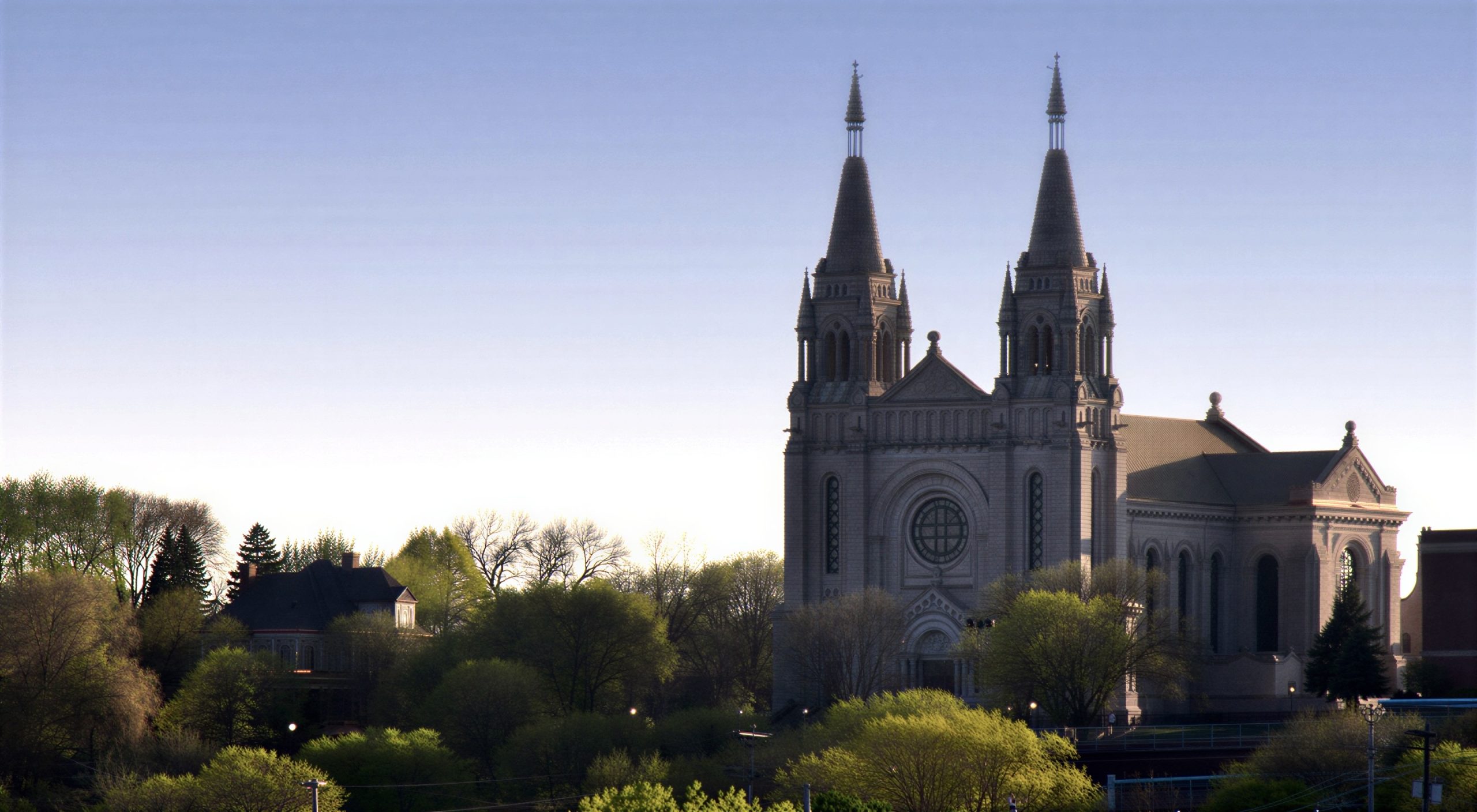
Nestled just west of downtown Sioux Falls, the Cathedral Historic District stands as a testament to the city’s rich history and architectural heritage. Originally known as Nob Hill, this enchanting neighborhood was home to Sioux Falls’ most prominent pioneers, politicians, and business leaders in the late 19th and early 20th centuries. Today, it offers residents a unique blend of historic charm, modern convenience, and community spirit that’s hard to find anywhere else in South Dakota.
Whether you’re a history buff, an architecture enthusiast, or simply someone looking for a neighborhood with character, the Cathedral Historic District delivers. With its tree-lined streets, stately homes, and proximity to downtown, it’s no wonder this area was designated as one of the ten best neighborhoods in the United States by the American Planning Association in 2010.
A Rich History: From Nob Hill to Historic District
The Cathedral Historic District’s story begins in the late 1800s when Sioux Falls’ elite chose this elevated area west of downtown to build their grand residences. The neighborhood, originally called Nob Hill, became a showcase of prosperity and sophistication.
Key Historical Milestones
- 1872: The oldest home in the district was built, marking the beginning of development in the area
- 1889: The Henry Avery Home, a stunning example of Richardsonian Romanesque architecture, was constructed at 103 South Prairie Avenue
- 1916: The Cathedral of Saint Joseph, the district’s architectural centerpiece, was completed
- 1974: The neighborhood was listed on the National Register of Historic Places as the first historic district in South Dakota
- 2010: Recognized as one of the ten best neighborhoods in the United States by the American Planning Association
- 2023: The district boundaries were enlarged to preserve additional historic properties
The district was originally named the Sioux Falls Historic District but was renamed to reflect its most prominent feature, the Cathedral of Saint Joseph, which dominates the skyline with its twin towers rising nearly 185 feet above the surrounding area.
Architectural Heritage
The Cathedral Historic District is an architectural treasure trove, showcasing styles popular from 1872 to 1925. The most common styles you’ll encounter:
- Queen Anne (38% of contributing homes): Characterized by asymmetrical facades, bay windows, and ornate woodwork. About 15% of these are Queen Anne Cottages, a charming subclass.
- Mediterranean Revival (23%): Featuring stucco exteriors and red-tiled roofs, adding a touch of Mediterranean flair to the South Dakota prairie
- Colonial Revival: Symmetrical facades with classical details
- Richardsonian Romanesque: Heavy, rounded arches and stone construction, exemplified by the Henry Avery Home
- Shingle Style: Wood shingle exteriors with complex shapes
- Stick Style: Intricate woodwork showcasing the natural beauty of the materials
The architectural survey conducted for the National Register of Historic Places listing identified 14 distinct architectural styles within the district, making every walk through the neighborhood a journey through American architectural history.
Living in Cathedral Historic District: What to Expect
Location and Boundaries
The Cathedral Historic District covers 14 blocks and the eastern half of 6 blocks just west of downtown Sioux Falls. The district is roughly bounded:
- South: West 10th Street
- East: Spring Avenue
- North: 4th Street
- West: Prairie Avenue
The neighborhood is built on an incline, sloping eastward toward downtown, which provides many homes with panoramic views of the city skyline and the Big Sioux River valley below.
Housing Stock
At the time of its 1974 National Register listing, the district contained 223 buildings, not all of which were contributing structures. Today, the area features:
- 104 homes built between 1872 and 1900 (nearly half of all contributing structures)
- 51 homes constructed between 1901 and 1910
- 35 homes built between 1910 and 1920
- A small number of newer constructions that complement the historic character
The real estate in Cathedral Historic District consists primarily of larger single-family homes, many dating back to the early 20th century. These are not your average suburban houses; they’re substantial residences that reflect the prosperity of their original owners.
Current Real Estate Market
While specific data for the Cathedral District can vary, the broader Sioux Falls market provides context for what you can expect:
- Sioux Falls median home price: $327,000 to $335,000 (as of mid-2026)
- Average home value in Sioux Falls: $313,960 (up 1.6% over the past year)
- Median sale price per square foot: $190
- Market trend: Home prices in Sioux Falls were up 2.2% year-over-year as of May 2026
Sources: Redfin, Zillow, Resideline (2026 data)
For the most accurate and current pricing in the Cathedral Historic District specifically, we recommend consulting with a local BHGRE Beyond agent who specializes in historic properties.
Key Properties and Landmarks
The Cathedral of Saint Joseph
No discussion of the Cathedral Historic District would be complete without mentioning its namesake. The Cathedral of Saint Joseph, located at 503 North Duluth Avenue, is the architectural and spiritual heart of the neighborhood.
- Construction: 1916
- Architect: Emmanuel Masqueray, a French architect who designed it in Romanesque and French Renaissance styles
- Height: Nearly 185 feet, with twin towers that dominate the Sioux Falls skyline
- Significance: Seat of the Diocese of Sioux Falls and a contributing property to the historic district
The cathedral has undergone several restorations over the years, including a major interior restoration between 1970 and 1974, and most recently, a years-long organ project that reached completion in late 2025.
Pettigrew Home and Museum
Located at 131 North Duluth Avenue, the Pettigrew Home and Museum offers a glimpse into the life of former United States Senator Richard Franklin Pettigrew.
- Built: 1889
- Style: Queen Anne
- History: Purchased by Senator Pettigrew in 1911, converted to a museum upon his death in 1926
- Features: Fully restored, showcasing life in a bygone era
Senator Pettigrew also maintained another residence in the district at 215 North Duluth Avenue.
Other Notable Properties
- Joe Kirby Home (350 North Duluth Avenue): Built in 1880, features Richardsonian Romanesque elements with a Sioux Quartzite exterior
- L.T. Dunning Home (209 North Duluth Avenue): Stick-style home built in 1887 with intricate oak, maple, and pine woodwork
- William A. Wilkes Home (301 North Prairie Avenue): Colonial Revival structure built in 1891 with Ionic columns
- Henry Avery Home (103 South Prairie Avenue): Richardsonian Romanesque home built in 1889, known for its large turret
- William Beach Home (303 North Summit Avenue): Shingle-style home built in 1893 with a distinctive wrap-around porch
Paving Stone Alley
One of the district’s unique features is Paving Stone Alley, the only remaining paving stone alley in Sioux Falls. This historic alley is an example of the surface that once covered downtown Phillips Avenue in 1888 and serves as a tangible connection to the city’s past.
Lifestyle and Amenities
Walkability and Location
One of the Cathedral Historic District’s greatest assets is its walkability. The neighborhood’s proximity to downtown Sioux Falls means residents can easily access:
- Shopping and dining in the downtown core
- Cultural attractions including the Washington Pavilion and various art galleries
- Business district for those who work downtown
- Public transportation with fifteen transit stops and five bus routes within one block
The district was served by one of the city’s first streetcars, and that tradition of connectivity continues today.
Education
The Cathedral Historic District is served by several educational institutions:
- Hawthorne Elementary School (formerly North School): A two-story, four-room brick building that has won awards for its architectural design (1985)
- St. Joseph School: A parochial grade school opened by the Dominican Sisters in 1905, with the current building designed in 1926
Community and Activities
The Cathedral Historic District has a long history of community activism:
- In 1900, the Peoples Party held its national convention in the neighborhood to select its second presidential candidate
- In 1901, thirty women formed the Women’s Alliance to address the lack of restrooms and rest areas for women traveling through the city
- Today, the neighborhood maintains an active historic preservation board
Residents enjoy historical markers throughout the district that tell the stories of the neighborhood’s past, including the establishment of the Women’s Alliance and the convening of the Peoples Party national convention.
Green Spaces
The Cathedral Historic District was among the first areas in Sioux Falls to incorporate trees into the landscape—virtually nonexistent on the South Dakota prairie at the time. Today, mature street trees line the sidewalks, providing shade and beauty throughout the seasons.
The area also features Axtell Park, which contains the historic Paving Stone Alley and offers green space for residents to enjoy.
Why Choose Cathedral Historic District?
For History Lovers
If you appreciate history, there’s no better place to live in Sioux Falls. The Cathedral Historic District offers:
- A concentration of historic homes from the late 19th and early 20th centuries
- Preserved architectural details that tell the story of American design evolution
- A neighborhood that has maintained its historic integrity while adapting to modern needs
- Proximity to museums and historical sites
For Architecture Enthusiasts
Architecture buffs will find endless fascination in the district’s diverse styles. From the ornate Queen Anne homes to the solid Richardsonian Romanesque structures, each property tells its own story through its design and construction.
For Those Seeking Community
The Cathedral Historic District has a strong sense of community that comes from:
- Long-time residents who are passionate about preserving the neighborhood’s character
- Active neighborhood associations and historic preservation efforts
- A walkable layout that encourages interaction among neighbors
- Shared pride in the district’s history and architectural heritage
For Convenience and Location
The district’s location west of downtown provides the perfect balance of:
- Historic charm with modern amenities
- Quiet residential streets with easy access to urban conveniences
- Established neighborhood with mature landscaping and infrastructure
- Central location that’s close to everything Sioux Falls has to offer
Considerations for Potential Buyers
Historic Home Ownership
Owning a home in a historic district comes with unique considerations:
Pros:
- Living in a piece of history with unique architectural details
- Potential tax benefits for historic preservation
- Strong property values due to the neighborhood’s desirability
- A sense of contributing to the preservation of Sioux Falls’ heritage
Cons:
- Preservation restrictions: Changes to the exterior of homes may require approval from the historic preservation board to maintain the district’s character
- Older infrastructure: Many homes may need updates to electrical, plumbing, and HVAC systems
- Higher maintenance: Historic homes often require more upkeep than newer constructions
- Potentially higher costs: The unique nature and desirability of these properties can command premium prices
Working with a Local Expert
Given the unique nature of historic properties, it’s especially important to work with a real estate agent who:
- Has experience with historic homes and districts
- Understands the preservation requirements and restrictions
- Can connect you with specialized lenders, inspectors, and contractors familiar with historic properties
- Knows the Cathedral Historic District market inside and out
The agents at BHGRE Beyond have extensive experience helping buyers navigate the historic home purchase process in Sioux Falls.
Investment Potential
The Cathedral Historic District represents a solid investment opportunity for several reasons:
- Limited supply: With only 223 buildings in the original district and few new constructions, supply is inherently limited
- Strong demand: The neighborhood’s desirability, history, and location ensure consistent demand
- Appreciating values: Sioux Falls’ overall market has seen steady appreciation, and historic districts often outperform the broader market
- Tourism appeal: The district’s historic significance and architectural beauty attract visitors, supporting local businesses and property values
According to local market data, the $350K-$450K new construction segment is currently surging in Sioux Falls, with move-in ready homes receiving multiple offers. While the Cathedral District features more historic properties, this market activity indicates strong demand for quality homes in desirable locations.
Tips for Visiting Cathedral Historic District
If you’re considering a move to the Cathedral Historic District or just want to explore this beautiful neighborhood, here are some tips:
- Take a walking tour: The best way to appreciate the architecture is on foot. Start at the Cathedral of Saint Joseph and work your way through the residential streets.
- Visit the Pettigrew Home and Museum: This fully restored Queen Anne house offers insight into life in the late 19th and early 20th centuries.
- Attend a service or event at the cathedral: The Cathedral of Saint Joseph regularly hosts concerts, services, and community events.
- Explore the historical markers: Scattered throughout the district, these provide context and stories about the neighborhood’s past.
- Drive the boundaries: Familiarize yourself with the district’s boundaries (West 10th Street to the south, Spring Avenue to the east, 4th Street to the north, Prairie Avenue to the west).
- Talk to residents: Many homeowners are proud of their properties and happy to share their stories and insights.
Frequently Asked Questions
What is the average home price in Cathedral Historic District?
While specific data for the Cathedral District varies, the broader Sioux Falls market has median home prices between $327,000 and $335,000 as of mid-2026. Homes in the Cathedral Historic District, given their historic nature and desirability, may command prices at the higher end of this range or above. For the most current and accurate pricing, consult with a local real estate agent.
Are there any restrictions on renovating homes in the district?
Yes. As a designated historic district, exterior changes to homes may require approval from the Sioux Falls Board of Historic Preservation to ensure they maintain the district’s historic character. Interior renovations typically don’t require approval, but it’s always best to check with the board before undertaking any changes.
What schools serve the Cathedral Historic District?
The district is primarily served by Hawthorne Elementary School for public education and St. Joseph School for parochial education. For middle and high school, students typically attend schools in the Sioux Falls School District.
Is the Cathedral Historic District walkable?
Yes, the Cathedral Historic District is highly walkable. With its grid layout, sidewalks, and proximity to downtown, residents can easily walk to shops, restaurants, and cultural attractions. The neighborhood also has excellent public transportation access.
What architectural styles are most common in the district?
The most common architectural styles in the Cathedral Historic District are Queen Anne (38% of contributing homes) and Mediterranean Revival (23%). However, the district features examples of 14 different architectural styles, making it an architectural showcase.
Conclusion: Is Cathedral Historic District Right for You?
The Cathedral Historic District offers a unique living experience that combines history, architecture, community, and convenience. It’s ideal for those who:
- Appreciate historic architecture and want to live in a home with character
- Value a strong sense of community and neighborhood identity
- Want to be close to downtown Sioux Falls and its amenities
- Are willing to invest in the upkeep of a historic property
- Seek a neighborhood with a rich history and bright future
However, it may not be the best fit for those who:
- Prefer newer homes with modern amenities and less maintenance
- Want a suburban setting with larger lots
- Are looking for the most affordable housing options in Sioux Falls
- Prefer a neighborhood with more uniform architectural styles
Ultimately, the Cathedral Historic District is more than just a place to live; it’s a lifestyle choice that offers the chance to be part of Sioux Falls’ living history.