Facebook
 X
 Pinterest
 Copy Link
What It Really Costs to Sell a Home in Sioux Falls
When Sioux Falls homeowners start thinking about selling, the first question is usually “What is my home worth?” The second question, and honestly the more important one, is “What will I actually walk away with?” The difference between your sale price and your net proceeds can be tens of thousands of dollars, and the costs that create that gap are predictable once you know what to look for.
This guide breaks down the real cost of selling a home in Sioux Falls, with current South Dakota and local numbers, so you can plan your move with confidence instead of guessing.
The Sioux Falls Market Context
First, the encouraging part. The Sioux Falls market remains solid for sellers. Mid-2026 data shows the median sale price in the city at roughly $340,000, with figures from the Realtor Association of the Sioux Empire reported at $340,450 in July 2026, up about 1.6 percent year over year. Redfin’s data for the same general period shows a median around $327,000, and national portals have tracked between roughly $327,000 and $349,000 depending on the month and methodology. Homes continue to sell at close to list price, and inventory has been tight enough that well-prepared homes still attract solid buyer interest.
For our worked examples below, we will use a $340,000 sale price, right at the local median.
The Big Line Item: Real Estate Commission
For most sellers, the largest single cost is real estate commission. Typical total commission in South Dakota markets runs around 5 to 6 percent of the sale price, historically split between the listing side and the buyer’s agent side. On a $340,000 home, that is roughly $17,000 to $20,400.
Two important notes here. First, commission is negotiable, and it has been under even more scrutiny since the 2024 national settlement changes to how buyer’s agent compensation is handled. Second, what you get for that fee matters enormously. In a market like Sioux Falls, a skilled listing agent earns their commission through pricing strategy, presentation, negotiation, and avoiding the expensive mistakes that cost sellers far more than the fee itself. When you interview agents, ask specifically what their marketing plan includes and how they will position your home against the competition.
Closing Costs: What Sellers Pay at the Table
Beyond commission, South Dakota sellers typically pay closing costs averaging roughly 3 percent of the sale price, according to multiple cost studies, with estimates ranging from about 2.9 to 3.3 percent depending on the source. On our $340,000 example, that is roughly $10,000. These costs generally include:
- Title insurance and title service fees. In South Dakota, expect title-related charges of roughly 0.3 percent of the sale price. The title company searches records, clears any liens, and issues the owner’s title policy.
- The South Dakota transfer fee. This is one place where South Dakota sellers catch a genuine break. The state charges a real estate transfer fee of $0.50 per $500 of sale price, which works out to just 0.1 percent. On a $340,000 sale, that is about $340. Many states charge transfer taxes several times higher.
- Prorated property taxes. At closing, you credit the buyer for the portion of the year’s property taxes you owe but have not yet paid. South Dakota’s effective property tax rate runs around 1.02 to 1.09 percent of home value, slightly above the national average, so on a $340,000 home expect total annual taxes in the neighborhood of $3,500 to $3,700. Your prorated share depends on when in the year you close.
- Recording fees, settlement fees, and administrative charges, usually a few hundred dollars combined.
- Buyer concessions, if negotiated. In a balanced market, sellers sometimes agree to credit part of the buyer’s closing costs or offer repair credits to close a deal. Budgeting around 1 to 2 percent for negotiating room is a reasonable planning figure, though you may not need it.
Preparing Your Home: The Costs Before the Sign Goes Up
Selling costs start well before closing day, and this is where budgets often go sideways. Typical pre-listing expenses include:
- Pre-listing repairs. Fixing the items an inspector would flag anyway, such as a water heater strap, a damaged fence, or a sticky garage door, almost always costs less before listing than as a negotiated concession later.
- Deep cleaning and staging. Professional cleaning often runs a few hundred dollars. Staging, whether full-service or a consultation, can range from a few hundred dollars for advice to a couple thousand for furnished staging of key rooms. Studies consistently show well-presented homes sell faster, and in a market where days on market matter, this is money well directed.
- Photography and marketing. Quality listing photos are non-negotiable in 2026. Most buyers, including nearly every buyer moving to Sioux Falls from outside the area, screen homes online first.
- Optional pre-inspection. Some sellers order their own inspection upfront, typically $325 to $425 in South Dakota, to eliminate surprises.
A reasonable planning range for prep on a median Sioux Falls home is $1,500 to $5,000, depending on condition.
The Mortgage Payoff
Do not forget the largest deduction of all for many sellers: your remaining mortgage balance. Your payoff quote from your lender will include the remaining principal plus accrued interest and any prepayment amounts your loan specifies. Request a payoff statement early in the process so your net-proceeds math reflects reality.
Taxes: The Good News for Most Sioux Falls Sellers
Now for the part that surprises people in a pleasant way. South Dakota has no state income tax, so there is no state-level capital gains tax on your home sale profit. At the federal level, the IRS allows you to exclude up to $250,000 of gain if you file single, or up to $500,000 if you file jointly, provided you owned and lived in the home as your primary residence for at least two of the five years before the sale. Most long-term Sioux Falls homeowners sell with a gain well inside those limits and owe no capital gains tax at all.
Remember that “gain” means sale price minus your purchase price, minus the cost of qualifying improvements you made over the years, minus selling expenses. Keep records of that new roof or kitchen remodel. They reduce your taxable gain.
One caveat worth repeating: we are real estate professionals, not tax advisors. For anything unusual, such as selling a rental, a home you owned less than two years, or a high-value property with a large gain, talk with a CPA before you list.
Putting It Together: A Worked Example
Here is a realistic net sheet for a $340,000 Sioux Falls sale:
| Line item | Estimated amount |
|---|---|
| Sale price | $340,000 |
| Real estate commission (5.5%) | -$18,700 |
| Closing costs (~3%) | -$10,200 |
| Pre-listing prep | -$3,000 |
| Mortgage payoff | Varies by owner |
| Estimated proceeds before payoff | ~$308,100 |
If this hypothetical seller owed $200,000 on the mortgage, they would leave closing with roughly $108,000. Your numbers will differ, and that is exactly why a personalized net sheet from your agent, updated as offers come in, is one of the most valuable documents in the transaction.
How to Keep More of Your Equity
A few habits reliably protect seller proceeds:
- Price correctly from day one. Overpriced homes sit, accumulate days on market, and ultimately sell for less.
- Fix small things before listing. Deferred maintenance gets multiplied in a buyer’s mind and in their offer.
- Compare your agent’s net sheet, not just their commission rate. A lower commission with weaker marketing can easily cost more in final price.
- Negotiate concessions with full information. Sometimes a $3,000 credit closes a deal that would otherwise cost you $10,000 in extended carrying costs.
- Track your improvement costs for tax purposes, and confirm your residency timeline before selling.
The Bottom Line
Between commission, closing costs, and prep, a typical Sioux Falls seller should plan on total selling costs in the range of 6 to 8 percent of the sale price, with South Dakota’s very low transfer fee and lack of state income tax softening the blow. On a $340,000 median-priced home, that means budgeting roughly $20,000 to $27,000 in total costs, and then celebrating the equity check that follows.
Every home and every situation is different. If you would like a personalized net sheet for your Sioux Falls home, built on current local data and your actual mortgage balance, reach out to Better Homes and Gardens Real Estate Beyond. We will walk through the numbers with you, no pressure, so you can decide whether now is the right time to sell. What would you like your bottom line to look like?
McKennan Park Neighborhood Guide: Historic Living in the Heart of Sioux Falls
Every city has a neighborhood that locals describe with a certain amount of pride, and in Sioux Falls, that neighborhood is McKennan Park. Tree-lined boulevards, homes that have stood for more than a century, and a park at the center that has been drawing families since the early 1900s. If you have been circling central Sioux Falls in your home search, this guide will walk you through what makes McKennan Park special, what homes here look like, and what to expect if you decide to buy.
A Neighborhood Built Around One of Sioux Falls’ Oldest Parks
McKennan Park is named for Helen McKennan, who gave her house and roughly 20 acres of land to the city in 1906 with the wish that it become a place for families, women, and children to relax and enjoy freedom. Her gift created what is now Sioux Falls’ oldest developed park, and the neighborhood that grew up around it became one of the city’s most desirable addresses.
The surrounding residential blocks developed rapidly in the early 20th century, and that history is now formally recognized. The McKennan Park Historic District was listed on the National Register of Historic Places in 1984 and expanded in 2003, protecting and celebrating a collection of homes that tell the story of Sioux Falls’ growth during that era. Walking the blocks between 2nd and 4th Avenues, you will see architectural details that are genuinely hard to find in newer construction: original woodwork, Sioux Quartzite foundations, deep front porches, and boulevard plantings that have matured for generations.
The park itself remains the heart of the neighborhood. The Mediterranean Sunken Gardens, a restored 1926 bandshell, and the “Pillars of the Nation” memorial, built in 1941 with stones from each of the 48 contiguous states, give the space a character that newer parks simply cannot replicate. There is also a free wading pool, eight lighted tennis courts, basketball and shuffleboard courts, horseshoe pits, a playground, and plenty of open green space. In summer, the bandshell hosts community events, and in every season you will find neighbors walking the loop, playing pickup games, or simply sitting in the gardens.
What Homes in McKennan Park Look Like
The housing stock here is diverse in the best sense of the word. Homes date primarily from the late 19th and early 20th centuries, with styles that include:
- Tudor Revival with steep rooflines and decorative half-timbering
- Colonial Revival with symmetrical facades and classic entryways
- Craftsman and Arts and Crafts homes with detailed woodwork
- Early ranch-style houses on the quieter edges of the district
Many sit on generous lots with mature trees, sidewalks, and the kind of deep setbacks that give the streets an open, garden-like feel. A significant number of homes have been carefully restored, and it is not unusual to see a 1910s or 1920s house that has been updated with new mechanical systems, windows, and roofs while preserving its original character. Others are honest fixer-uppers, priced for buyers who want to invest sweat equity in a historic property.
That range matters. McKennan Park is one of the few central Sioux Falls neighborhoods where you can find a move-in-ready restored classic, a project home, and occasionally a nearly $3 million estate, all within a few blocks of each other. This keeps the market active and gives buyers with different budgets a realistic path in.
Market Snapshot: What to Expect When Buying
Historic charm comes with real demand. Recent market data shows the median sale price for homes in McKennan Park at roughly $362,450 over the past 12 months, and homes here average about 32 days on market, notably faster than the national average of 54 days. Inventory is limited by definition, because no one is building new 1920s Tudors, so well-priced homes in good condition tend to move quickly.
A few practical notes for buyers:
- Be ready to move. When a desirable listing hits the market, waiting a weekend to schedule a showing can mean missing it.
- Budget for maintenance. Older homes reward attention. Plan for inspection contingencies and reserve funds for things like plumbing, electrical updates, and tuckpointing.
- Look past cosmetics. Many of the best-value homes in the district need updating rather than structural work. A good inspector who knows historic homes is worth their fee.
- Consider the location premium. You are paying for walkability, character, and proximity to downtown Sioux Falls, Avera McKennan Hospital, and Augustana University. Those assets hold value.
If you are also weighing newer construction on the edge of town, our first-time buyer resources can help you compare the tradeoffs between historic central neighborhoods and new builds.
Lifestyle: Walkability and Community in Central Sioux Falls
Location is a huge part of McKennan Park’s appeal. The neighborhood sits just south of downtown Sioux Falls, which means restaurants, coffee shops, and the Big Sioux River recreation areas are minutes away, often by bike or on foot. Avera McKennan Hospital and Augustana University anchor nearby blocks, making the area especially convenient for healthcare workers and faculty.
The neighborhood association is active, and residents describe a genuine sense of community: porch conversations, summer evenings at the bandshell, and kids biking to the wading pool. For buyers moving from larger cities, the pace feels familiar in the best way, walkable and sociable, with parking that is free and easy.
For households planning further ahead, McKennan Park also offers an interesting long-term angle. Limited supply, National Register recognition, and steady demand from buyers who specifically want this lifestyle have historically supported values through market cycles. It is a neighborhood people move to on purpose and stay in for decades.
Who McKennan Park Suits Best
This neighborhood tends to fit a few profiles especially well:
- Buyers who value character over square footage per dollar. You can find more house for the money elsewhere, but not with this architecture and history.
- Professionals wanting a short commute. Downtown, major medical employers, and the university are all close.
- Restorers and hobbyists. If you love old homes, few places in South Dakota offer this concentration of quality stock.
- Downsizers from larger properties who want walkability without leaving a true neighborhood feel.
It fits less well for buyers who need a brand-new home, a large suburban yard, or a three-car garage. Those priorities point toward newer subdivisions on the city’s outer edges, and we are happy to help there too.
Tips for Touring Homes in the District
When you visit, do these four things:
- Walk the block, not just the house. The boulevards and neighboring properties shape your daily experience as much as the listing itself.
- Ask about the roof, foundation, and mechanical systems first. With century-old homes, those big-ticket items matter more than paint colors.
- Visit at different times of day. Parking, traffic, and park activity vary between a Tuesday morning and a summer Saturday.
- Spend an hour in the park itself. If the Sunken Gardens and the bandshell lawn feel like somewhere you want to spend time, you will understand why residents love this neighborhood so much.
The Bottom Line
McKennan Park offers something that is genuinely uncommon in a mid-size Midwest metro: a walkable, historic, park-centered neighborhood minutes from a growing downtown, with a housing stock full of character and a community that takes pride in its streets. Prices reflect that demand, but for the right buyer, the value is easy to see.
If McKennan Park sounds like your kind of neighborhood, we would love to walk it with you. Reach out to Better Homes and Gardens Real Estate Beyond, and we can set up tours, connect you with inspectors who know historic homes, and help you move quickly when the right listing appears. What matters most is finding the home that fits how you actually live. Where would you like to start?
Fall Home Maintenance Checklist for Sioux Falls Homeowners

Why Fall Maintenance Matters in Sioux Falls
Sioux Falls sits in a humid continental climate zone, which means the city experiences large seasonal temperature contrasts, according to US Climate Data. Summers are warm, while winters are very cold and bring significant snowfall. The temperature typically varies from 10 degrees Fahrenheit in the depths of winter to 85 degrees in the heat of summer, according to Weather Spark, and the city averages about 45 inches of snowfall per year, per climate data from Perfect Weather.
For homeowners, those numbers translate into a real timeline. The risk of frost in Sioux Falls begins around September 15, and by October 7 you are almost certain to have experienced at least one frost event, according to Garden.org, which sources its data from the NOAA National Centers for Environmental Information. The first measurable snowfall of the season typically arrives by November, and winter temperatures settle into the low 20s Fahrenheit, according to BestPlaces climate data.
That window between early September and the first hard freeze is your best opportunity to prepare your home. Tackling maintenance now, while the weather is still cooperative, can prevent costly repairs, improve energy efficiency, and give you peace of mind when the first blizzard warning arrives.
Your Sioux Falls Fall Maintenance Checklist
1. Clean and Inspect Your Gutters
Clogged gutters are one of the most common causes of winter damage. When leaves, twigs, and debris block the flow of water, melting snow and ice can back up under your roof shingles, leading to leaks and ice dam formation. In a city that averages 54 days of snowfall annually, according to BestPlaces, functional gutters are a necessity, not a luxury.
Remove all debris from gutters and downspouts, then flush the system with a garden hose to confirm water flows freely away from your foundation. If your home has many mature trees, consider installing gutter guards to reduce future buildup. Check that downspouts extend at least three to five feet from your foundation to prevent water from pooling near your basement walls.
2. Inspect Your Roof
A roof inspection is one of those tasks that is easy to overlook until it becomes an expensive problem. Before snow begins to accumulate, check for missing, cracked, or curling shingles. Look for signs of water damage in your attic, including dark spots, mold, or sagging areas. If you are not comfortable on a ladder, hire a professional roofing contractor to perform the inspection.
According to Better Homes and Gardens, addressing roof issues in the fall is far less stressful than discovering a leak during a January cold snap when contractors are booked and working conditions are difficult.
3. Service Your Furnace or Heating System
Your heating system is about to work hard for the next several months. Scheduling a professional furnace inspection in early fall ensures that your system is running efficiently and safely before temperatures drop. A well-maintained furnace also costs less to operate, which matters when energy bills climb during the coldest months.
Replace your furnace filter, and consider stocking up on extras so you can swap them every one to three months during the heating season. If you have a boiler, radiator, or heat pump system, the same principle applies: professional servicing now prevents breakdowns when you need heat the most.
State Farm recommends testing your thermostat and all heating zones to confirm they are working properly before the first cold snap catches you off guard.
4. Seal Air Leaks and Check Insulation
Drafty windows and doors waste energy and make your home less comfortable during cold snaps. Inspect the weather stripping around doors and windows, and replace any that is cracked, compressed, or peeling. Apply fresh caulk around window frames and exterior penetrations where air can enter.
If your home is older, consider having a professional assess your attic insulation. Heat rises, and inadequate attic insulation is one of the most common sources of energy loss in homes built before modern insulation standards. Adding insulation is an investment that pays back through lower heating bills year after year.
5. Disconnect and Drain Outdoor Faucets
Frozen pipes are a preventable problem that can cause thousands of dollars in water damage. Disconnect all garden hoses, drain outdoor faucets, and shut off the water supply to exterior spigots if your home has interior shutoff valves. If your faucets are not frost-free models, consider installing insulated faucet covers.
While you are outdoors, drain and store garden hoses, irrigation systems, and any outdoor water features that could crack when water freezes and expands.
6. Test Smoke and Carbon Monoxide Detectors
Fall and winter bring increased use of heating systems, fireplaces, and space heaters, all of which increase the risk of carbon monoxide exposure. Test every smoke detector and carbon monoxide detector in your home, and replace batteries if they are more than six months old. If any detector is more than ten years old, replace the entire unit.
This is also a good time to review your fire escape plan with your family and confirm that fire extinguishers are charged and accessible.
7. Inspect and Clean Your Chimney
If your home has a wood-burning fireplace, a chimney inspection should be part of your fall routine. Creosote buildup in the chimney flue is a leading cause of house fires. A professional chimney sweep can remove creosote, check for structural damage, and confirm that the chimney cap and damper are functioning properly.
Even if you use your fireplace only occasionally, an annual inspection is a worthwhile investment in safety.
8. Winterize Your Deck, Patio, and Outdoor Furniture
Fall is the time to clean and inspect your deck or patio for damage. Seal or stain wooden surfaces to protect them from moisture, store outdoor furniture in a protected area, and trim overhanging vegetation that could drop snow or debris onto your deck during winter storms.
If you have a wooden deck, check for loose boards, protruding nails, and signs of rot. Addressing these issues now means you can enjoy your outdoor space as soon as warm weather returns in the spring.
9. Prepare Your Lawn and Garden
Fall is actually one of the best times for lawn care in the Sioux Falls region. Aerate your lawn to relieve soil compaction, apply a fall fertilizer to strengthen root systems before winter, and overseed thin areas. Rake fallen leaves regularly, as a thick mat of wet leaves can smother your grass and create conditions for snow mold.
Cut back perennials, divide overcrowded plants, and mulch around the base of vulnerable shrubs and trees to protect roots from freeze-thaw cycles. If you have a vegetable garden, remove spent plants and add compost to prepare the beds for next spring.
10. Reverse Your Ceiling Fans
Most ceiling fans have a switch that reverses the blade direction. In winter, setting your fans to rotate clockwise at low speed pushes warm air down from the ceiling, where it naturally rises, back into your living space. This small adjustment can reduce heating costs and make your home feel more comfortable.
11. Stock Up on Winter Supplies
Before the first snowfall, confirm that your snow shovels are in good condition, your ice melt supply is stocked, and your snow blower is serviced and fueled. Sioux Falls snowstorms can arrive quickly, and having your supplies ready means you can respond without making a rushed trip to the hardware store.
Keep an emergency kit in your home with flashlights, batteries, blankets, and a battery-powered radio in case of winter power outages.
12. Review Your Homeowners Insurance
Fall is a natural time to review your homeowners insurance policy and confirm that your coverage is adequate. Check your dwelling coverage limit against your home’s current replacement cost, and verify that your policy covers damage from ice dams, frozen pipes, and snow weight on your roof, which are common winter concerns in the Upper Midwest.
If you have made significant home improvements or additions during the year, your coverage may need to be updated to reflect the increased value of your home.
When to Schedule Professional Help
Many of the tasks on this checklist are well within the ability of an average homeowner, as State Farm notes. However, some jobs are best left to professionals:
- Roof inspections and repairs, especially on steep or multi-story homes
- Furnace and heating system servicing, which requires specialized knowledge
- Chimney cleaning and inspection, which involves working at height with specialized tools
- Major insulation projects, which benefit from professional assessment
Scheduling these services in September or early October typically means shorter wait times than calling in November or December, when every homeowner in the region is trying to prepare for winter at the same time.
The Value of a Fall Maintenance Routine
Taking a few hours each fall to maintain your home protects your investment, saves money on energy bills, and reduces the risk of emergency repairs during the coldest months of the year. In a climate where winter temperatures routinely drop into the single digits and snowfall averages 45 inches annually, preparation is your best defense.
At BHGRE Beyond, we believe that homeownership is about more than buying a house. It is about caring for a home and a community over the long term. Our agents live and work in Sioux Falls, and we understand the seasonal rhythms of maintaining a home in this region. Whether you are a new homeowner or have lived in your home for decades, we are here to help you protect your investment and enjoy your home through every season.
What is on your fall maintenance list this year? We would welcome the chance to connect you with trusted local service providers or answer any questions about preparing your Sioux Falls home for winter.
Cathedral Historic District Sioux Falls: A Complete Guide to Living in This Iconic Neighborhood
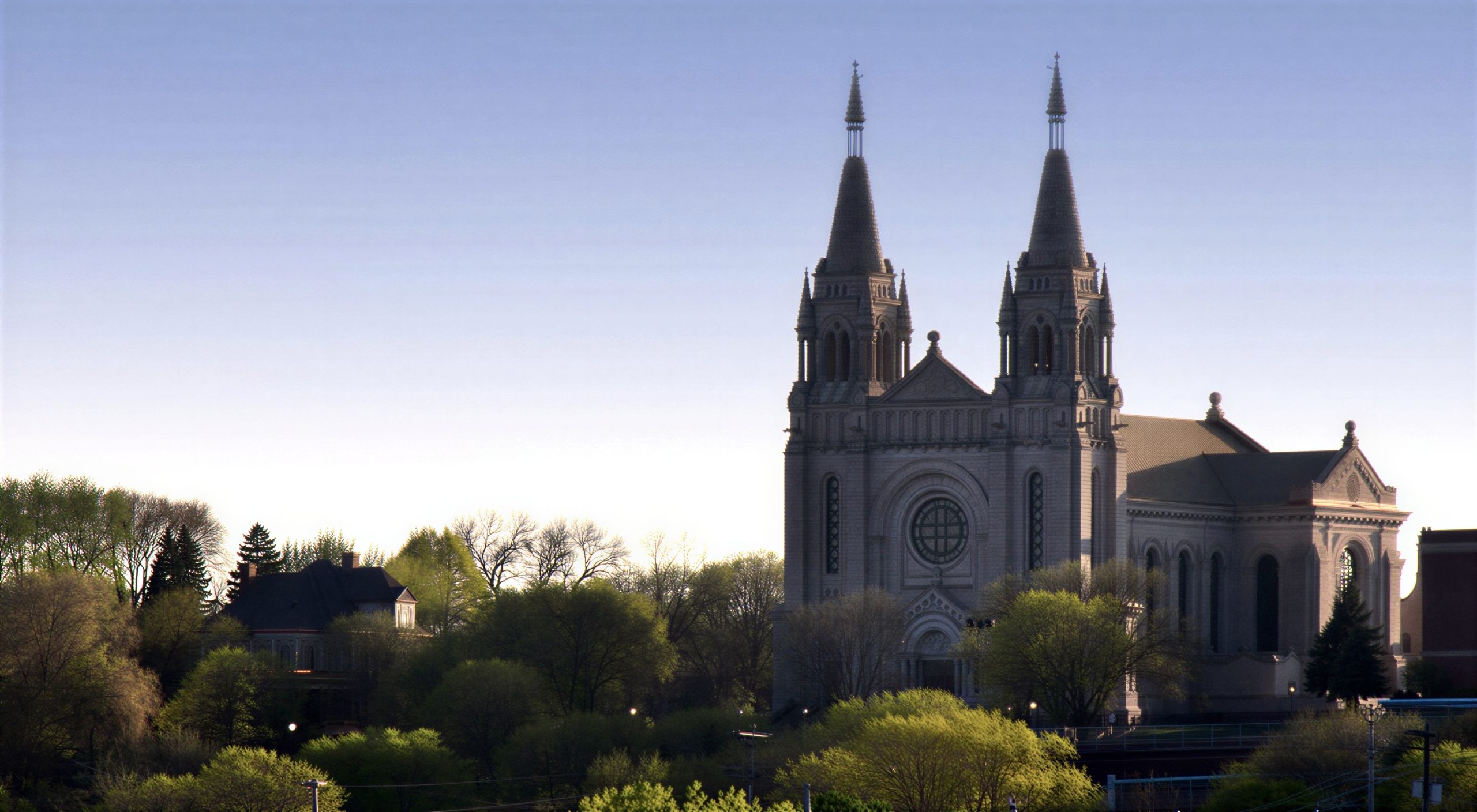
Nestled just west of downtown Sioux Falls, the Cathedral Historic District stands as a testament to the city’s rich history and architectural heritage. Originally known as Nob Hill, this enchanting neighborhood was home to Sioux Falls’ most prominent pioneers, politicians, and business leaders in the late 19th and early 20th centuries. Today, it offers residents a unique blend of historic charm, modern convenience, and community spirit that’s hard to find anywhere else in South Dakota.
Whether you’re a history buff, an architecture enthusiast, or simply someone looking for a neighborhood with character, the Cathedral Historic District delivers. With its tree-lined streets, stately homes, and proximity to downtown, it’s no wonder this area was designated as one of the ten best neighborhoods in the United States by the American Planning Association in 2010.
A Rich History: From Nob Hill to Historic District
The Cathedral Historic District’s story begins in the late 1800s when Sioux Falls’ elite chose this elevated area west of downtown to build their grand residences. The neighborhood, originally called Nob Hill, became a showcase of prosperity and sophistication.
Key Historical Milestones
- 1872: The oldest home in the district was built, marking the beginning of development in the area
- 1889: The Henry Avery Home, a stunning example of Richardsonian Romanesque architecture, was constructed at 103 South Prairie Avenue
- 1916: The Cathedral of Saint Joseph, the district’s architectural centerpiece, was completed
- 1974: The neighborhood was listed on the National Register of Historic Places as the first historic district in South Dakota
- 2010: Recognized as one of the ten best neighborhoods in the United States by the American Planning Association
- 2023: The district boundaries were enlarged to preserve additional historic properties
The district was originally named the Sioux Falls Historic District but was renamed to reflect its most prominent feature, the Cathedral of Saint Joseph, which dominates the skyline with its twin towers rising nearly 185 feet above the surrounding area.
Architectural Heritage
The Cathedral Historic District is an architectural treasure trove, showcasing styles popular from 1872 to 1925. The most common styles you’ll encounter:
- Queen Anne (38% of contributing homes): Characterized by asymmetrical facades, bay windows, and ornate woodwork. About 15% of these are Queen Anne Cottages, a charming subclass.
- Mediterranean Revival (23%): Featuring stucco exteriors and red-tiled roofs, adding a touch of Mediterranean flair to the South Dakota prairie
- Colonial Revival: Symmetrical facades with classical details
- Richardsonian Romanesque: Heavy, rounded arches and stone construction, exemplified by the Henry Avery Home
- Shingle Style: Wood shingle exteriors with complex shapes
- Stick Style: Intricate woodwork showcasing the natural beauty of the materials
The architectural survey conducted for the National Register of Historic Places listing identified 14 distinct architectural styles within the district, making every walk through the neighborhood a journey through American architectural history.
Living in Cathedral Historic District: What to Expect
Location and Boundaries
The Cathedral Historic District covers 14 blocks and the eastern half of 6 blocks just west of downtown Sioux Falls. The district is roughly bounded:
- South: West 10th Street
- East: Spring Avenue
- North: 4th Street
- West: Prairie Avenue
The neighborhood is built on an incline, sloping eastward toward downtown, which provides many homes with panoramic views of the city skyline and the Big Sioux River valley below.
Housing Stock
At the time of its 1974 National Register listing, the district contained 223 buildings, not all of which were contributing structures. Today, the area features:
- 104 homes built between 1872 and 1900 (nearly half of all contributing structures)
- 51 homes constructed between 1901 and 1910
- 35 homes built between 1910 and 1920
- A small number of newer constructions that complement the historic character
The real estate in Cathedral Historic District consists primarily of larger single-family homes, many dating back to the early 20th century. These are not your average suburban houses; they’re substantial residences that reflect the prosperity of their original owners.
Current Real Estate Market
While specific data for the Cathedral District can vary, the broader Sioux Falls market provides context for what you can expect:
- Sioux Falls median home price: $327,000 to $335,000 (as of mid-2026)
- Average home value in Sioux Falls: $313,960 (up 1.6% over the past year)
- Median sale price per square foot: $190
- Market trend: Home prices in Sioux Falls were up 2.2% year-over-year as of May 2026
Sources: Redfin, Zillow, Resideline (2026 data)
For the most accurate and current pricing in the Cathedral Historic District specifically, we recommend consulting with a local BHGRE Beyond agent who specializes in historic properties.
Key Properties and Landmarks
The Cathedral of Saint Joseph
No discussion of the Cathedral Historic District would be complete without mentioning its namesake. The Cathedral of Saint Joseph, located at 503 North Duluth Avenue, is the architectural and spiritual heart of the neighborhood.
- Construction: 1916
- Architect: Emmanuel Masqueray, a French architect who designed it in Romanesque and French Renaissance styles
- Height: Nearly 185 feet, with twin towers that dominate the Sioux Falls skyline
- Significance: Seat of the Diocese of Sioux Falls and a contributing property to the historic district
The cathedral has undergone several restorations over the years, including a major interior restoration between 1970 and 1974, and most recently, a years-long organ project that reached completion in late 2025.
Pettigrew Home and Museum
Located at 131 North Duluth Avenue, the Pettigrew Home and Museum offers a glimpse into the life of former United States Senator Richard Franklin Pettigrew.
- Built: 1889
- Style: Queen Anne
- History: Purchased by Senator Pettigrew in 1911, converted to a museum upon his death in 1926
- Features: Fully restored, showcasing life in a bygone era
Senator Pettigrew also maintained another residence in the district at 215 North Duluth Avenue.
Other Notable Properties
- Joe Kirby Home (350 North Duluth Avenue): Built in 1880, features Richardsonian Romanesque elements with a Sioux Quartzite exterior
- L.T. Dunning Home (209 North Duluth Avenue): Stick-style home built in 1887 with intricate oak, maple, and pine woodwork
- William A. Wilkes Home (301 North Prairie Avenue): Colonial Revival structure built in 1891 with Ionic columns
- Henry Avery Home (103 South Prairie Avenue): Richardsonian Romanesque home built in 1889, known for its large turret
- William Beach Home (303 North Summit Avenue): Shingle-style home built in 1893 with a distinctive wrap-around porch
Paving Stone Alley
One of the district’s unique features is Paving Stone Alley, the only remaining paving stone alley in Sioux Falls. This historic alley is an example of the surface that once covered downtown Phillips Avenue in 1888 and serves as a tangible connection to the city’s past.
Lifestyle and Amenities
Walkability and Location
One of the Cathedral Historic District’s greatest assets is its walkability. The neighborhood’s proximity to downtown Sioux Falls means residents can easily access:
- Shopping and dining in the downtown core
- Cultural attractions including the Washington Pavilion and various art galleries
- Business district for those who work downtown
- Public transportation with fifteen transit stops and five bus routes within one block
The district was served by one of the city’s first streetcars, and that tradition of connectivity continues today.
Education
The Cathedral Historic District is served by several educational institutions:
- Hawthorne Elementary School (formerly North School): A two-story, four-room brick building that has won awards for its architectural design (1985)
- St. Joseph School: A parochial grade school opened by the Dominican Sisters in 1905, with the current building designed in 1926
Community and Activities
The Cathedral Historic District has a long history of community activism:
- In 1900, the Peoples Party held its national convention in the neighborhood to select its second presidential candidate
- In 1901, thirty women formed the Women’s Alliance to address the lack of restrooms and rest areas for women traveling through the city
- Today, the neighborhood maintains an active historic preservation board
Residents enjoy historical markers throughout the district that tell the stories of the neighborhood’s past, including the establishment of the Women’s Alliance and the convening of the Peoples Party national convention.
Green Spaces
The Cathedral Historic District was among the first areas in Sioux Falls to incorporate trees into the landscape—virtually nonexistent on the South Dakota prairie at the time. Today, mature street trees line the sidewalks, providing shade and beauty throughout the seasons.
The area also features Axtell Park, which contains the historic Paving Stone Alley and offers green space for residents to enjoy.
Why Choose Cathedral Historic District?
For History Lovers
If you appreciate history, there’s no better place to live in Sioux Falls. The Cathedral Historic District offers:
- A concentration of historic homes from the late 19th and early 20th centuries
- Preserved architectural details that tell the story of American design evolution
- A neighborhood that has maintained its historic integrity while adapting to modern needs
- Proximity to museums and historical sites
For Architecture Enthusiasts
Architecture buffs will find endless fascination in the district’s diverse styles. From the ornate Queen Anne homes to the solid Richardsonian Romanesque structures, each property tells its own story through its design and construction.
For Those Seeking Community
The Cathedral Historic District has a strong sense of community that comes from:
- Long-time residents who are passionate about preserving the neighborhood’s character
- Active neighborhood associations and historic preservation efforts
- A walkable layout that encourages interaction among neighbors
- Shared pride in the district’s history and architectural heritage
For Convenience and Location
The district’s location west of downtown provides the perfect balance of:
- Historic charm with modern amenities
- Quiet residential streets with easy access to urban conveniences
- Established neighborhood with mature landscaping and infrastructure
- Central location that’s close to everything Sioux Falls has to offer
Considerations for Potential Buyers
Historic Home Ownership
Owning a home in a historic district comes with unique considerations:
Pros:
- Living in a piece of history with unique architectural details
- Potential tax benefits for historic preservation
- Strong property values due to the neighborhood’s desirability
- A sense of contributing to the preservation of Sioux Falls’ heritage
Cons:
- Preservation restrictions: Changes to the exterior of homes may require approval from the historic preservation board to maintain the district’s character
- Older infrastructure: Many homes may need updates to electrical, plumbing, and HVAC systems
- Higher maintenance: Historic homes often require more upkeep than newer constructions
- Potentially higher costs: The unique nature and desirability of these properties can command premium prices
Working with a Local Expert
Given the unique nature of historic properties, it’s especially important to work with a real estate agent who:
- Has experience with historic homes and districts
- Understands the preservation requirements and restrictions
- Can connect you with specialized lenders, inspectors, and contractors familiar with historic properties
- Knows the Cathedral Historic District market inside and out
The agents at BHGRE Beyond have extensive experience helping buyers navigate the historic home purchase process in Sioux Falls.
Investment Potential
The Cathedral Historic District represents a solid investment opportunity for several reasons:
- Limited supply: With only 223 buildings in the original district and few new constructions, supply is inherently limited
- Strong demand: The neighborhood’s desirability, history, and location ensure consistent demand
- Appreciating values: Sioux Falls’ overall market has seen steady appreciation, and historic districts often outperform the broader market
- Tourism appeal: The district’s historic significance and architectural beauty attract visitors, supporting local businesses and property values
According to local market data, the $350K-$450K new construction segment is currently surging in Sioux Falls, with move-in ready homes receiving multiple offers. While the Cathedral District features more historic properties, this market activity indicates strong demand for quality homes in desirable locations.
Tips for Visiting Cathedral Historic District
If you’re considering a move to the Cathedral Historic District or just want to explore this beautiful neighborhood, here are some tips:
- Take a walking tour: The best way to appreciate the architecture is on foot. Start at the Cathedral of Saint Joseph and work your way through the residential streets.
- Visit the Pettigrew Home and Museum: This fully restored Queen Anne house offers insight into life in the late 19th and early 20th centuries.
- Attend a service or event at the cathedral: The Cathedral of Saint Joseph regularly hosts concerts, services, and community events.
- Explore the historical markers: Scattered throughout the district, these provide context and stories about the neighborhood’s past.
- Drive the boundaries: Familiarize yourself with the district’s boundaries (West 10th Street to the south, Spring Avenue to the east, 4th Street to the north, Prairie Avenue to the west).
- Talk to residents: Many homeowners are proud of their properties and happy to share their stories and insights.
Frequently Asked Questions
What is the average home price in Cathedral Historic District?
While specific data for the Cathedral District varies, the broader Sioux Falls market has median home prices between $327,000 and $335,000 as of mid-2026. Homes in the Cathedral Historic District, given their historic nature and desirability, may command prices at the higher end of this range or above. For the most current and accurate pricing, consult with a local real estate agent.
Are there any restrictions on renovating homes in the district?
Yes. As a designated historic district, exterior changes to homes may require approval from the Sioux Falls Board of Historic Preservation to ensure they maintain the district’s historic character. Interior renovations typically don’t require approval, but it’s always best to check with the board before undertaking any changes.
What schools serve the Cathedral Historic District?
The district is primarily served by Hawthorne Elementary School for public education and St. Joseph School for parochial education. For middle and high school, students typically attend schools in the Sioux Falls School District.
Is the Cathedral Historic District walkable?
Yes, the Cathedral Historic District is highly walkable. With its grid layout, sidewalks, and proximity to downtown, residents can easily walk to shops, restaurants, and cultural attractions. The neighborhood also has excellent public transportation access.
What architectural styles are most common in the district?
The most common architectural styles in the Cathedral Historic District are Queen Anne (38% of contributing homes) and Mediterranean Revival (23%). However, the district features examples of 14 different architectural styles, making it an architectural showcase.
Conclusion: Is Cathedral Historic District Right for You?
The Cathedral Historic District offers a unique living experience that combines history, architecture, community, and convenience. It’s ideal for those who:
- Appreciate historic architecture and want to live in a home with character
- Value a strong sense of community and neighborhood identity
- Want to be close to downtown Sioux Falls and its amenities
- Are willing to invest in the upkeep of a historic property
- Seek a neighborhood with a rich history and bright future
However, it may not be the best fit for those who:
- Prefer newer homes with modern amenities and less maintenance
- Want a suburban setting with larger lots
- Are looking for the most affordable housing options in Sioux Falls
- Prefer a neighborhood with more uniform architectural styles
Ultimately, the Cathedral Historic District is more than just a place to live; it’s a lifestyle choice that offers the chance to be part of Sioux Falls’ living history.
Living in Downtown Sioux Falls: A Neighborhood Guide to Riverfront City Living
Why Downtown Sioux Falls Is Drawing New Residents
Sioux Falls is one of the fastest-growing cities in the Midwest, and downtown sits at the center of that momentum. The city’s estimated population reached 224,676 in 2025, up from 219,588 in 2024, according to city officials reported by KELOLAND News. That growth, roughly 42,000 new residents since 2020, is reshaping neighborhoods across the city, and few areas have transformed as visibly as the downtown core.
Downtown Sioux Falls has evolved from a quiet business district into a genuine residential neighborhood. Restaurants, galleries, entertainment venues, and coffee shops now line Phillips Avenue, and new housing options have appeared along the Big Sioux River. For buyers weighing whether downtown living fits their lifestyle, understanding the neighborhood’s character, housing stock, and amenities is the first step toward making a confident decision.
What Defines the Downtown Neighborhood
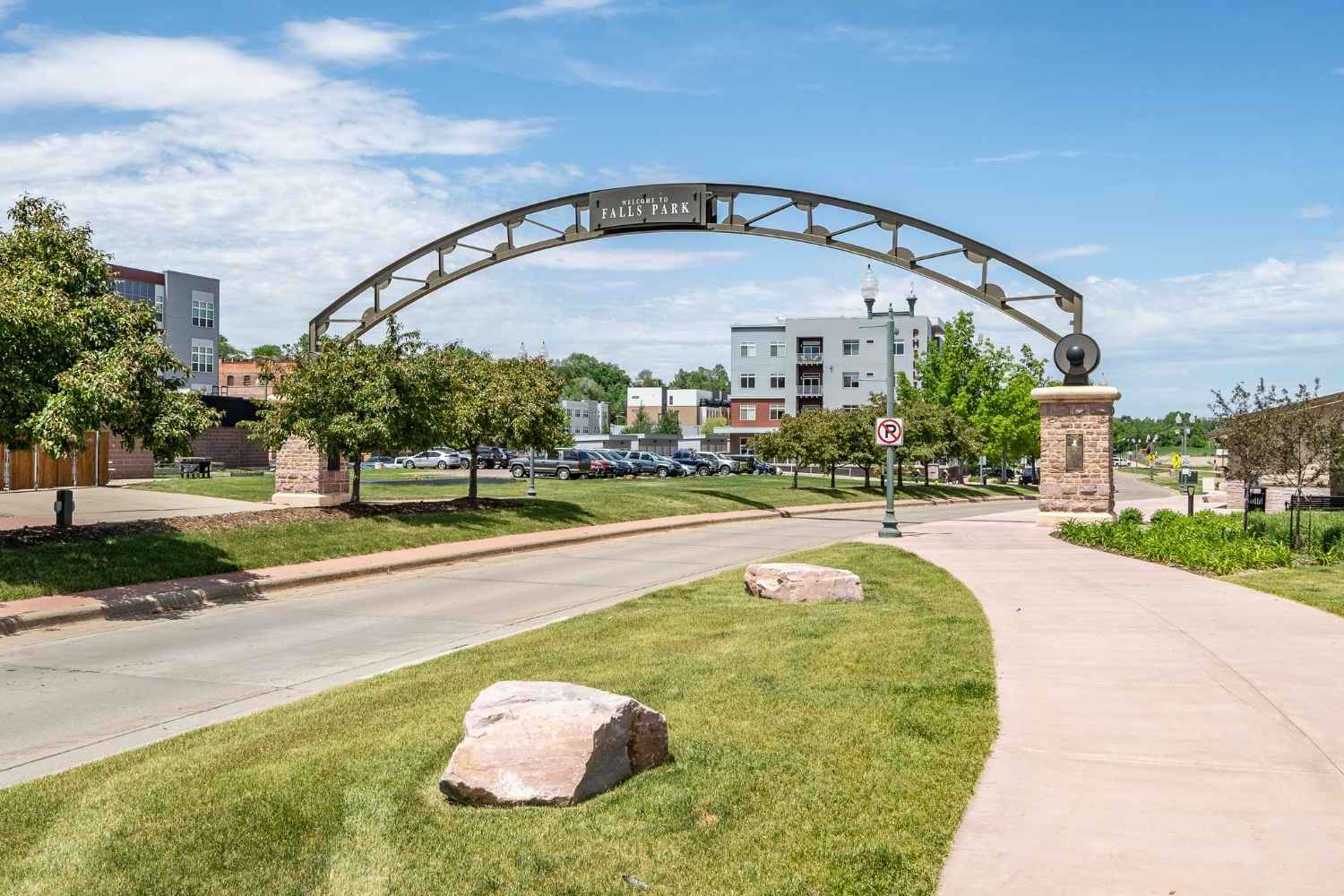
Downtown Sioux Falls stretches along the Big Sioux River, just south of Falls Park, the 128-acre park that gives the city its name. The park features cascading waterfalls where an average of 7,400 gallons of water drop 100 feet per second over tiers of Sioux quartzite rock, according to Experience Sioux Falls. A five-story observation tower, the ruins of the seven-story Queen Bee Mill (built in 1881), and the Falls Overlook Cafe, housed in a 1908 hydroelectric plant, round out the park’s attractions.
The downtown zip codes include 57104, 57103, and portions of 57105 and 57107, covering Phillips Avenue, the riverfront, and the surrounding grid of historic and modern buildings. According to neighborhood data from Homes.com, approximately 72.5% of downtown residents rent while 27.5% own their homes, reflecting the neighborhood’s heavy concentration of apartments, lofts, and condominiums.
Housing Options: From Historic Lofts to Riverfront Condos
Downtown Sioux Falls offers several distinct housing types, each with its own appeal for buyers at different stages of life.
Historic Conversions
Many downtown residences occupy buildings with deep roots in the city’s history. The Gourley Building, built in 1908 on North Main Avenue, has been converted into 10 one-of-a-kind apartments through the Larson Square Lofts project. Each unit features soaring windows, original hardwood floors, and distinctive layouts that reflect the building’s century of use, according to Downtown Sioux Falls listings. Residents are steps from dining, SculptureWalk, and the Orpheum Theater.
Phillips Avenue Lofts offers a similar blend of old and new. The property features 12 to 14-foot ceilings, quartz countertops, and exposed ductwork that speaks to the building’s industrial past while delivering modern finishes.
The Steel District
The most significant new addition to the downtown housing landscape is The Steel District, a riverfront development by Lloyd Companies located at the foot of Falls Park along the Big Sioux River. The project combines luxury condominiums, rental apartments, a boutique hotel, Class A office space, and curated retail into a single walkable destination.
The Steel District offers two condo styles: ground-level two-story brownstones that face the riverfront and the recreation trail, and sixth-floor single-story condos with views of downtown, Falls Park, and the river. The District Lofts, attached to the Canopy by Hilton hotel, provide studio, one-bedroom, and two-bedroom rental apartments.
The development’s retail and dining lineup includes Ironwood Steakhouse, Big Sioux Diner, Dahlia Kitchen and Bar, Cascata Italian Cuisine, Jack Rose Social Club, Torrent Coffee Bar, Pasque Boutique, and Alcove. Outdoor spaces include a courtyard, riverfront greenway trail, and Lloyd Landing, which features public art, a dog park, and seating areas.
Newer Apartment Communities
The One2, located at 205 East 12th Street and also developed by Lloyd Companies, opened in 2025 on the south side of downtown. Its location places residents a short walk from Phillips Avenue across the 12th Street Plaza. Amenities include a fitness center, community lounge, outdoor courtyard, and a guest suite.
For buyers and renters who want proximity to downtown amenities without the price tag of a riverfront condo, these newer apartment communities expand the range of options.
Lifestyle and Amenities Within Walking Distance
Living downtown means much of daily life unfolds on foot or by bike. Here is what residents can reach without a long commute.
Falls Park and the River Greenway
Falls Park anchors the north end of downtown and connects to a network of trails along the Big Sioux River. The park includes the Stockyards Ag Experience Barn, a museum housed in a historic quartzite barn that tells the story of the region’s agricultural heritage. The farmers market at Falls Park adds a seasonal draw for residents who want fresh produce and local goods.
Levitt at the Falls
Levitt at the Falls is a nonprofit outdoor music venue in downtown Sioux Falls that presents 50 free concerts every summer at Falls Park West, according to the organization’s website. The 2026 season continues that tradition, showcasing local, regional, and national talent across multiple genres. For downtown residents, the Levitt Shell functions as a backyard concert series, within walking distance of most homes in the neighborhood.
Arts and Culture
The Washington Pavilion offers plays, concerts, and visual arts programming, while the Orpheum Theater hosts live music and theater. SculptureWalk, the city’s annual public art program, places sculptures along Phillips Avenue and throughout downtown, creating an outdoor gallery that changes each year.
Dining and Shopping
Phillips Avenue remains the city’s primary dining and entertainment corridor, with restaurants, coffee shops, galleries, and boutiques concentrated in a walkable stretch. The Steel District has added to that density, bringing destination restaurants and retail to the riverfront. Downtown residents have grocery access and everyday essentials within a short walk or drive.
Essential Services
Sanford USD Medical Center sits less than two miles from downtown, and the Sioux Falls Regional Airport is approximately three miles away. These distances mean downtown living does not require sacrificing access to healthcare or travel.
Who Downtown Sioux Falls Suits Best
Downtown living appeals to several types of buyers and renters:
- Young professionals who want to walk to work, dining, and entertainment without maintaining a large yard
- Empty nesters looking to downsize from a suburban home into a low-maintenance condo near cultural amenities
- Investors who recognize that centrally located properties tend to hold value well because demand for housing near employment and amenities stays steady even as supply stays limited
The neighborhood’s rental-heavy character means that buyers who purchase a condo or loft also have a strong potential tenant pool if they choose to rent the property in the future.
What to Consider Before Buying Downtown
Downtown living offers genuine rewards, but it also comes with trade-offs worth understanding before making a purchase.
Parking. Some downtown buildings include dedicated parking, while others rely on street parking or nearby lots. Buyers should confirm parking arrangements for any property they are considering.
Noise and activity. Living near Phillips Avenue, the Levitt Shell, or Falls Park means embracing the energy of a busy area. Concerts, events, and nightlife generate activity that some residents love and others find disruptive. Visiting a property at different times of day helps buyers understand the rhythm of the neighborhood.
HOA and condo fees. Condo buildings in downtown Sioux Falls typically have homeowners association fees that cover maintenance, amenities, and shared spaces. Buyers should factor these ongoing costs into their budget alongside the mortgage.
Home type. Downtown housing is dominated by condos, lofts, and apartments rather than single-family homes. Buyers looking for a yard, garage, or traditional lot may find that other Sioux Falls neighborhoods better match their needs.
How Downtown Compares to Other Sioux Falls Neighborhoods
Downtown offers the most urban lifestyle available in Sioux Falls, but it sits at the higher end of the price spectrum. For buyers on a tighter budget, areas like East Sioux Falls and Southwest Sioux Falls offer more affordable single-family homes, according to local real estate resources. Neighborhoods west of downtown also offer upscale options for buyers with a larger budget.
The choice between downtown and other neighborhoods often comes down to lifestyle preference. Downtown residents trade square footage and outdoor space for walkability, amenities, and proximity to the city’s cultural core. Suburban residents gain yards and garages but take on longer drives to restaurants, events, and entertainment.
The Bottom Line on Downtown Sioux Falls
Downtown Sioux Falls has grown into a genuine residential neighborhood, with housing options ranging from historic lofts in century-old buildings to brand-new riverfront condos at The Steel District. The neighborhood’s walkability, cultural amenities, and proximity to Falls Park make it a compelling choice for buyers who value an active, connected lifestyle.
As the city continues to grow, the demand for centrally located housing is likely to stay strong. Sioux Falls grew by 12% between 2020 and 2024 while South Dakota as a whole grew by 4%, according to former Mayor Paul TenHaken, as reported by KELOLAND. That growth pressure makes downtown a neighborhood worth watching for both lifestyle buyers and investors.
If you are considering a move to downtown Sioux Falls, the best next step is to connect with a local real estate professional who understands the neighborhood’s inventory, pricing trends, and unique considerations. At BHGRE Beyond, our agents live and work in this community, and we would welcome the chance to help you find the right home in the neighborhood that fits your life.
What matters most to you in a neighborhood? We would love to help you explore whether downtown Sioux Falls is the right fit.
Can You Trim a Neighbor’s Tree That Hangs Over Your Yard in Sioux Falls? What to Know

At BHGRE® Beyond, we understand that homeownership in Sioux Falls comes with its own set of challenges, including navigating neighborly relationships and property boundaries. Overhanging tree branches are a common source of disputes, but knowing your rights and responsibilities can help you address the issue legally and amicably. Here’s what you need to know about trimming a neighbor’s tree in Sioux Falls.
The Legal Basics in South Dakota
In South Dakota, you can legally trim a neighbor’s tree branches or roots that overhang or intrude into your property line without their permission. However, you are only permitted to trim the portion of the tree that extends onto your property, and you must take care not to harm the tree itself. This means you cannot cut the tree in a way that could damage its health or stability, as this could leave you liable for any resulting issues, such as disease or the tree falling.
What You Can and Cannot Do
What You Can Do
- Trim Overhanging Branches: You may trim branches that extend over your property line, but only up to the boundary. This is known as “self-help” and is generally accepted under South Dakota law.
- Remove Intruding Roots: If the tree’s roots are encroaching on your property, you may also trim them, but again, only on your side of the property line.
What You Cannot Do
- Harm the Tree: Avoid trimming in a way that could kill or significantly damage the tree. If your actions lead to the tree’s decline or death, you could be held responsible for the cost of removal or replacement.
- Trespass: Do not enter your neighbor’s property to trim the tree without their explicit permission. Always work from your own side of the property line.
- Ignore Local Ordinances: While state law allows trimming, always check for any local Sioux Falls ordinances that may apply to your situation. For example, the city encourages a diverse and vibrant urban forest, and there may be specific rules regarding tree maintenance and removal.
Best Practices for Trimming a Neighbor’s Tree in Sioux Falls
Communicate First
Open communication is the best way to avoid disputes. Talk to your neighbor about your concerns and your intention to trim the overhanging branches. They may appreciate the heads-up and could even offer to share the cost or do the work themselves. If a conversation isn’t possible, consider sending a polite, written note outlining your plans and the reasons for the trimming.
Hire a Professional
For large trees, or those near structures, power lines, or with complex root systems, hire a licensed and insured tree service. Sioux Falls has several reputable companies, such as Arbormaster Tree Service, Wellman Tree Service, and Alex’s Tree Service, that specialize in safe and professional tree trimming. A professional can ensure the job is done correctly, minimizing the risk of damage to the tree or surrounding property.
Document Everything
Keep a record of your communications with your neighbor, including dates, photos of the overhanging branches, and notes from any conversations. If disputes arise later, having documentation can help clarify what was agreed upon and protect you from liability.
Consider the Tree’s Health
Improper trimming can weaken a tree, making it more susceptible to disease, pests, or storm damage. If you’re unsure about the best way to trim the tree, consult an arborist. They can provide guidance on how to prune the tree safely and effectively, ensuring it remains healthy while addressing your concerns.
What If the Tree Is Damaged or Falls?
If a neighbor’s tree—or a branch from it—falls and causes damage to your property, the responsibility generally depends on whether the tree was healthy or not. In South Dakota, if the tree was healthy and the fall was due to an “Act of God” (such as a storm), your neighbor is typically not liable for the damage. However, if the tree was dead, diseased, or poorly maintained, and your neighbor was aware (or should have been aware) of the risk, they may be held responsible for the damage.
To protect yourself:
- Document the Tree’s Condition: If you suspect a neighbor’s tree is unstable or diseased, take photos and consider notifying them in writing. This creates a record that you’ve brought the issue to their attention.
- Consult an Arborist: A professional can assess the tree’s health and provide a report that may be useful if you need to pursue a claim later.
Local Resources in Sioux Falls
If you’re unsure about the best course of action, consider reaching out to:
- Sioux Falls Parks and Recreation Forestry Team: For questions about street trees or city ordinances, visit Sioux Falls Tree Information.
- Local Tree Services: For professional trimming or removal, companies like Arbormaster Tree Service, Wellman Tree Service, and others can provide expert assistance tailored to Sioux Falls’ climate and tree species.
The Bottom Line
In Sioux Falls, you can trim a neighbor’s tree branches or roots that overhang your property, but you must do so carefully and legally. Always prioritize communication, hire professionals when necessary, and document your actions to avoid disputes. By following these guidelines, you can address overhanging branches while maintaining a good relationship with your neighbor.
For personalized advice on property boundaries or tree-related concerns, connect with BHGRE® Beyond’s team of local experts. We’re here to help you navigate homeownership in Sioux Falls with confidence and clarity.
Have you dealt with a neighbor’s overhanging tree? How did you handle it? Let’s discuss what works best in Sioux Falls.
Adapted from “Can You Trim a Neighbor’s Tree That Hangs Over Your Yard? What a Lawyer Says” from BHG.com
Should You Leave Your Windows Open When Away in Sioux Falls? What to Know
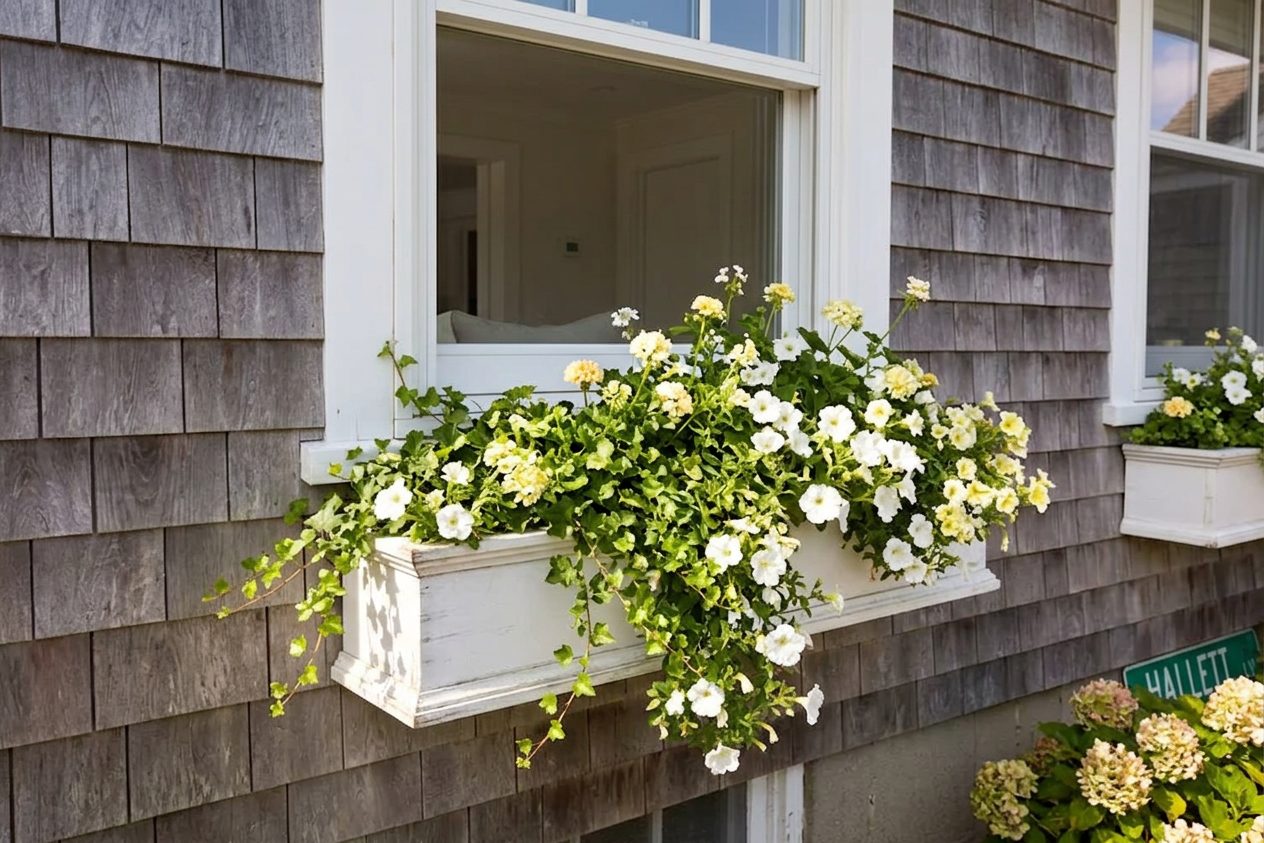
At BHGRE® Beyond, we know that homeownership in Sioux Falls comes with unique considerations—from the region’s dramatic weather to local security dynamics. While the idea of coming home to fresh air is appealing, leaving your windows open when you’re not there can pose risks that outweigh the benefits. Here’s what you need to know to make an informed decision for your Sioux Falls home.
The Risks of Leaving Windows Open in Sioux Falls
Weather Risks
Sioux Falls experiences severe summer storms in spring, summer, and fall, with threats including excess rain, thunderstorms, lightning, hail, tornadoes, and high winds. Damaging wind gusts can reach up to 60–70 mph, and hailstones can exceed 2 inches in diameter. High winds can dislodge siding, lift shingles, and even damage windows, while sudden rain can lead to water intrusion, mold growth, and structural damage. Leaving windows open during these conditions can expose your home to costly repairs and safety hazards.
Security Risks
While Sioux Falls has a lower violent crime rate than the national average, property crimes such as theft and vandalism do occur. Leaving windows open—even on upper floors—can provide an easy entry point for intruders. As the city grows, so does the likelihood of increased crime, making it important to prioritize home security. Modern security systems with cameras and motion sensors can help, but the simplest precaution is to keep windows closed and locked when you’re away.
Energy Efficiency and Pest Control
Leaving windows open can also lead to energy loss, as heated or cooled air escapes and outdoor air enters uncontrolled. This can strain your HVAC system and increase utility costs. Additionally, open windows can invite pests like insects or small animals into your home, which is especially concerning during warmer months.
When It Might Be Safe to Leave Windows Open
There are rare instances where leaving a window cracked might be acceptable in Sioux Falls:
- Screened Windows on Upper Floors: If you have secure, screened windows on an upper floor and live in a low-crime neighborhood, leaving them slightly open for ventilation may pose minimal risk. However, this is only advisable in calm weather and for short periods.
- Controlled Ventilation: If you’re using window stops or locks that limit how far a window can open, you can allow some airflow without fully exposing your home. Always ensure these devices are properly installed and maintained.
Precautions If You Choose to Leave Windows Open
If you decide to leave your windows open while away, take these steps to minimize risks:
For Weather Protection
- Check the Forecast: Always review the latest weather updates from the National Weather Service Sioux Falls before leaving windows open. Severe weather can develop quickly, and being caught off guard can lead to significant damage.
- Install Window Stops: Use devices that limit how far a window can open, reducing the risk of wind or rain entering while still allowing some airflow.
- Secure Screens: Ensure all window screens are in good condition and properly secured to prevent pests and debris from entering.
For Security
- Use Window Locks: Install locks that allow windows to be slightly open but prevent them from being fully opened from the outside.
- Invest in a Security System: Consider a system with motion sensors, cameras, and real-time alerts. Local providers like FOSS Security offer solutions tailored to Sioux Falls homes, including real-time monitoring and theft prevention.
- Neighborhood Awareness: If you’re in a close-knit community, ask a trusted neighbor to keep an eye on your home. However, don’t rely solely on this—always take physical precautions as well.
For Energy Efficiency
- Use Window Fans or Ventilation Systems: Instead of leaving windows wide open, consider using fans or smart ventilation systems that can circulate air without compromising security or energy efficiency.
- Close Windows During Extreme Temperatures: In the middle of winter or during heatwaves, keep windows closed to maintain indoor climate control and reduce HVAC strain.
Local Insight: Sioux Falls’ Unique Considerations
Sioux Falls’ climate and security landscape require homeowners to be especially mindful of their decisions. The city’s frequent severe weather—including hail, high winds, and storms—means that leaving windows open can quickly turn a small oversight into a major headache. Additionally, while property crime is a concern, taking simple precautions like closing and locking windows can significantly reduce your risk.
For homeowners who value fresh air, consider alternatives like energy-efficient ventilation systems or smart home technology that allows you to monitor and control your home’s environment remotely. These solutions provide the benefits of airflow without the risks.
The Bottom Line
In most cases, it’s not advisable to leave your windows open when you’re not home in Sioux Falls. The risks—ranging from weather damage to security vulnerabilities—generally outweigh the benefits. If you do choose to leave windows open, take every precaution to protect your home from the elements, pests, and potential intruders.
For personalized advice on securing your home or preparing for Sioux Falls’ unique weather, connect with BHGRE® Beyond’s team of local experts. We’re here to help you make the best decisions for your property and peace of mind.
How do you balance fresh air and security in your Sioux Falls home? Let’s discuss what works best for you.
Adapted from “Should You Leave Your Windows Open When You’re Not Home? What to Know First” from BHG.com
4 Home Features Sioux Falls Buyers Are Willing to Pay More For in 2026

At BHGRE® Beyond, we know that the best real estate decisions are rooted in understanding both national trends and local nuances. In Sioux Falls, where buyers value practicality, comfort, and a sense of retreat, certain home features can significantly boost your home’s appeal—and its sale price. Here’s how to leverage the latest trends to maximize your investment in the Sioux Falls market.
Why These Features Matter in Sioux Falls
In a competitive market like Sioux Falls, where first impressions count, homes with standout features often sell faster and for higher prices. Recent data shows that certain amenities can increase sale prices by up to 5.4%—nearly $20,000 more on the typical home. Local buyers are drawn to properties that offer a blend of style, functionality, and a sense of escape, making strategic upgrades a smart way to stand out.
4 Home Features Driving Higher Offers in Sioux Falls
1. The Cottage Life: Outdoor Retreats
Sioux Falls buyers are embracing the “cottage life” trend, with a strong demand for homes that feel like a personal retreat. Features like outdoor kitchens, firepits, and patios are especially popular, as they create spaces for relaxation and entertainment. Homes with these amenities can command premium prices, with outdoor kitchens adding around 4.4% to the sale price and outdoor fireplaces contributing another 2.8%. Even using the word “cottage” in a listing can increase perceived value by 3.2%, signaling the appeal of cozy, intentional living spaces.
2. Custom Features and Bespoke Finishes
Buyers in Sioux Falls are willing to pay more for homes that feel tailored to their lifestyle. Listings that highlight custom features sell for about 3.2% more than expected, while bespoke finishes add roughly 3%. These upgrades signal that the work has already been done, making the home move-in ready and more attractive to discerning buyers. In a market where move-in-ready homes are in high demand, customization can be a powerful selling point.
3. Gourmet Kitchens
Gourmet kitchens, designed for home chefs and equipped with high-end appliances and thoughtful layouts, are commanding stronger offers in Sioux Falls. These spaces add about 3% to the sale price, as buyers recognize the value of a kitchen that’s both functional and stylish. In luxury neighborhoods, where quality finishes and premium flooring are standard, a gourmet kitchen can be the centerpiece that sets your home apart.
4. Waterfront and Outdoor Living
While Sioux Falls may not be coastal, waterfront features—such as ponds, streams, or custom water features—are driving a 3% increase in home values. Additionally, homes with docks are selling for up to 5.4% above expectations. Outdoor living spaces, including fully landscaped yards with mature trees, patios, and firepits, are also in high demand. These features create a sense of escape and comfort, aligning with the local preference for homes that offer both practicality and a connection to nature.
How to Leverage These Trends in Sioux Falls
For Sellers
- Highlight Outdoor Living: If your home features a patio, firepit, or outdoor kitchen, emphasize these spaces in your listing. Buyers are looking for homes that offer opportunities for relaxation and entertainment, especially in a climate with distinct seasons.
- Showcase Customization: If your home includes custom features or bespoke finishes, make sure these are front and center in your marketing. These details can justify a higher asking price and attract buyers willing to pay a premium for quality.
- Invest in the Kitchen: If you’re preparing to sell, consider upgrading your kitchen to include gourmet features. A modern, functional kitchen is a major draw for buyers and can significantly impact your home’s marketability.
For Buyers
- Prioritize Move-In Ready Homes: Look for properties that already include these high-value features. Homes with outdoor living spaces, custom finishes, or gourmet kitchens are often move-in ready, saving you time and effort after purchase.
- Consider the Long-Term Value: When evaluating homes, think about which features will continue to add value over time. Outdoor living spaces, custom kitchens, and waterfront features are likely to remain in demand.
For Builders and Developers
- Incorporate Outdoor Living: In new construction, focus on creating outdoor spaces that feel like extensions of the home. Features like patios, firepits, and outdoor kitchens can make your properties more appealing to today’s buyers.
- Offer Customization Options: Provide buyers with the opportunity to personalize their homes with custom features and finishes. This can increase buyer satisfaction and help your properties stand out in a competitive market.
Local Insight: Sioux Falls’ Unique Market
In Sioux Falls, where buyers value both affordability and quality, homes with these standout features are in high demand. Properties that offer a sense of retreat, customization, and practical luxury are more likely to attract strong offers and sell quickly. By aligning your home with these trends, you’re not just updating your property—you’re positioning it for success in a market that rewards thoughtful, intentional design.
Ready to Make a Change?
If you’re preparing to list your home in Sioux Falls, focus on the features that buyers value most. Whether it’s enhancing your outdoor space, upgrading your kitchen, or adding custom finishes, these updates can have a big impact on your home’s appeal and sale price. For personalized advice, connect with BHGRE® Beyond’s team of local experts. We’re here to help you navigate the market with confidence and clarity.
Which home features are you considering to boost your property’s value? Let’s discuss how we can make your home stand out in Sioux Falls.
Adapted from “4 Home Features Buyers Are Willing to Pay More for Right Now” from BHG.com